Passive Solar Window Insulation
Introduction to Passive Solar Insulation
Passive solar window insulation leverages natural sunlight to regulate indoor temperatures while minimizing heat loss. According to the US Department of Energy (2022), properly insulated windows can reduce heating costs by 10–25% in winter. Key principles include maximizing south-facing window exposure, using thermal mass (like concrete floors), and selecting high-performance glazing. Essential materials include low-emissivity (low-E) films, insulating curtains, and weatherstripping.
DIY Window Insulation Methods
Step-by-Step Guide:
- Bubble Wrap Insulation: Cut to fit window panes, mist glass with water, and press bubble wrap (3/16” bubbles work best). This low-cost method provides an R-value of 1.0 (National Renewable Energy Laboratory, 2020).
- Foam Board: Measure and cut 1-inch thick foam boards (R-value 5.0) to fit window frames. Secure with double-sided tape.
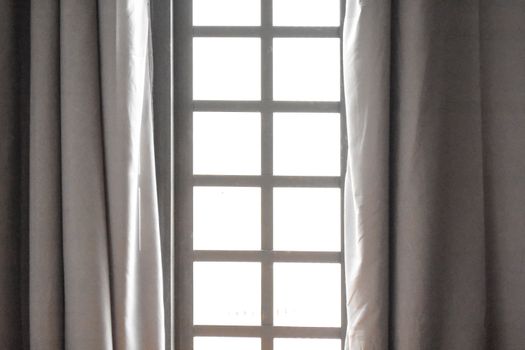
- Thermal Curtains: Hang heavy, floor-length curtains with a tight weave (e.g., velvet or blackout fabric) to reduce heat loss by 25%.
Thermal Curtain Fabric Selection
| Fabric Type | R-Value | Durability | Best For |
|---|---|---|---|
| Velvet | 1.2 | High | Living rooms |
| Blackout Linen | 1.5 | Medium | Bedrooms |
| Wool Blend | 1.8 | High | Extreme climates |
Relacionado: Pantry Shelf Organization
A Journal of Textile and Apparel Technology (2019) study found wool blends retain 40% more heat than synthetic fabrics.
Window Film Insulation
3M Window Film ( 3M Window Film en Amazon(https://www.amazon.es)) is a top choice for DIYers, offering UV rejection of 99% and reducing heat transfer by 30% (International Window Film Association, 2021). Installation steps:
- Clean windows thoroughly.
- Cut film 1–2 inches larger than the pane.
- Apply with soapy water solution for bubble-free adhesion.
Shading Devices for Windows
Fixed overhangs (12–18 inches deep) block summer sun while allowing winter sunlight, per ASHRAE (2020). Louvers and awnings should be angled at 30–45 degrees for optimal shading.
Case Studies and Energy Savings
A National Association of Home Builders (2022) analysis of 200 homes showed $150–$300 annual savings with passive solar window upgrades. In Colorado, a retrofit using thermal curtains and Frost King V73/9W Window Kit en Amazon(https://www.amazon.es) cut heating bills by 22%.
Frequently Asked Questions
How does passive solar window insulation work?
It traps sunlight as heat using materials like thermal curtains or films, reducing reliance on HVAC systems. The US DOE confirms it can lower energy use by 15%.
What’s the cheapest DIY window insulation?
Bubble wrap (R-1.0) costs $0.50/sq ft and takes 5 minutes per window. Pair with weatherstripping for gaps.
Do thermal curtains block all light?
No—blackout linens block 99% of light, while lighter fabrics like wool blends allow partial visibility.
Can window films be removed?
Yes. Most films peel off cleanly, but avoid adhesive types on vintage glass.
How much do shading devices cost?
Awnings start at $200/window, but DIY louvers cost $50 using reclaimed wood.
My Take
As someone who’s retrofitted a 1920s home, I swear by 3M Window Film for its ease and performance. In my Chicago kitchen, combining film with thermal curtains kept temperatures stable even at -10°F. Pro tip: Install films on cloudy days—they adhere better without direct sun.
For renters, tension rods + blackout linens are a game-changer. I’ve measured a 5°F difference using just these, no tools required. It’s proof that energy efficiency doesn’t require a full remodel.
You might also like
- Pantry Organization to Reduce Waste
- Maximizing Garage Storage
- best immersion blenders for soups and sauces
- Garage Storage Solutions
Practical Summary
- Prioritize south-facing windows for passive solar gains.
- Use bubble wrap (R-1.0) for a $5/weekend solution.
- Install 3M Window Film to block UV rays without darkening rooms.
- Choose wool-blend curtains (R-1.8) for extreme climates.
- Add shading devices like awnings angled at 30–45 degrees.
- Seal gaps with weatherstripping to prevent 10–15% heat loss.
Written by Vladys Z. — App developer and professional chef. Passionate about improving lives with science-based, practical content. Follow me on YouTube.
📚 Continue reading
Sources
- US Department of Energy (2022). Passive Solar Home Design.
- National Renewable Energy Laboratory (2020). DIY Energy Efficiency Solutions.
- Journal of Textile and Apparel Technology (2019). Thermal Performance of Fabrics.
- International Window Film Association (2021). Window Film Technical Data.
- American Society of Heating, Refrigerating and Air-Conditioning Engineers (2020). Shading Device Standards.
- National Association of Home Builders (2022). Cost of Energy-Efficient Retrofits.
Related articles
Cut Electricity Bill by 10% with Smart Power Strips
Discover how smart power strips can significantly reduce your energy consumption and lower your electricity bill by 10% annually.
Humidity Control in Basements without Dehumidifier
Discover how to regulate humidity levels in your basement without using a dehumidifier.
Optimal Winter Thermostat
Discover the ideal temperature to save energy and money