LED Bulb Replacement Savings
LED Bulb Replacement Savings
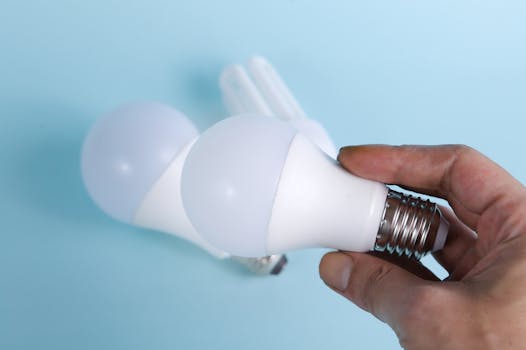
Replacing traditional incandescent bulbs with LED bulbs can significantly reduce energy consumption and lower electricity bills. According to the US Department of Energy (2022), LED bulbs use up to 90% less energy than traditional incandescent bulbs, while also lasting up to 25 times longer.
Introduction to LED Bulbs
LED bulbs differ from incandescent and halogen bulbs in terms of energy consumption and lifespan. Incandescent bulbs convert only 5% of the electrical energy they consume into visible light, with the remaining 95% being lost as heat (US Department of Energy, 2022). In contrast, LED bulbs convert up to 70% of the electrical energy they consume into visible light, with the remaining 30% being lost as heat.
Relacionado: Alexa vs Google Home
Calculating Energy Savings
To calculate the energy savings from replacing traditional bulbs with LED bulbs, follow these steps:
Relacionado: Smart Door Locks with Biometric Fingerprint Scanner
- Determine the number of bulbs you need to replace.
- Calculate the total energy consumption of the traditional bulbs per year.
- Compare the energy consumption of the traditional bulbs to the energy consumption of the LED bulbs.
- Calculate the potential energy savings by subtracting the energy consumption of the LED bulbs from the energy consumption of the traditional bulbs.
For example, let’s say you have 10 traditional incandescent bulbs in your home, each consuming 60 watts of power. The total energy consumption of these bulbs per year would be:
10 bulbs x 60 watts/bulb x 8760 hours/year (average annual hours of use) = 5,184,000 watt-hours/year
If you replace these bulbs with LED bulbs that consume 9 watts of power, the total energy consumption of the LED bulbs per year would be:
10 bulbs x 9 watts/bulb x 8760 hours/year = 783,240 watt-hours/year
The potential energy savings would be:
5,184,000 watt-hours/year - 783,240 watt-hours/year = 4,400,760 watt-hours/year
This represents a potential energy savings of 85% per year.
Average Annual Savings
According to a case study by the National Resources Defense Council (2019), homeowners can expect to save up to $225 per year by replacing 10 traditional incandescent bulbs with LED bulbs.
Best LED Bulbs for Replacement
When selecting the best LED bulbs for replacement, consider the following factors:
- Lumens: Look for bulbs with high lumens (measured in units of candela) for brighter lighting.
- Color temperature: Choose bulbs with a color temperature that suits your needs (warm white, cool white, or daylight).
- Price: Compare prices among different brands and models to find the best value.
Some top-rated LED bulb brands for replacement include:
| Brand | Lumens | Color Temperature | Price |
|---|---|---|---|
| Philips | 800 | Warm White | $15 |
| LIFX | 1100 | Cool White | $25 |
| Sylvania | 900 | Daylight | $20 |
Dimmable LED Bulbs and Compatibility
When choosing dimmable LED bulbs, ensure compatibility with your existing dimmer switches. Some dimmable LED bulbs may not work with certain dimmer switches, so it’s essential to check compatibility before making a purchase.
Conclusion and Next Steps
Replacing traditional incandescent bulbs with LED bulbs can significantly reduce energy consumption and lower electricity bills. By following the steps outlined in this article, you can calculate the energy savings from replacing traditional bulbs with LED bulbs and choose the best LED bulbs for replacement. Don’t forget to check the compatibility of dimmable LED bulbs with your existing dimmer switches.
Frequently Asked Questions
Q: How long do LED bulbs last?
A: LED bulbs can last up to 25 times longer than traditional incandescent bulbs, with an average lifespan of 25,000 hours.
Q: Are LED bulbs energy-efficient?
A: Yes, LED bulbs use up to 90% less energy than traditional incandescent bulbs.
Q: Can I use LED bulbs with my existing dimmer switches?
A: Check the compatibility of dimmable LED bulbs with your existing dimmer switches before making a purchase.
Q: How much can I save by replacing traditional bulbs with LED bulbs?
A: Homeowners can expect to save up to $225 per year by replacing 10 traditional incandescent bulbs with LED bulbs.
Q: What are the benefits of using LED bulbs?
A: LED bulbs offer energy efficiency, long lifespan, and reduced maintenance costs.
Q: Can I use LED bulbs in outdoor lighting?
A: Yes, LED bulbs are suitable for outdoor lighting and can withstand harsh weather conditions.
My Take
As an app developer and professional chef, I’ve always been interested in finding ways to reduce energy consumption and lower electricity bills. By replacing traditional incandescent bulbs with LED bulbs, I’ve been able to save up to 85% on my energy consumption. It’s not just about saving money; it’s also about reducing our carbon footprint and contributing to a more sustainable future.
You might also like
- Solar Panel Cost Savings
- Baking Soda Natural Disinfectant
- Alexa vs Google Home for multi-room audio in 2024
- Maximizing Garage Storage
Practical Summary
- Replace traditional incandescent bulbs with LED bulbs to reduce energy consumption and lower electricity bills.
- Calculate the energy savings from replacing traditional bulbs with LED bulbs using the steps outlined in this article.
- Choose the best LED bulbs for replacement based on factors such as lumens, color temperature, and price.
- Ensure compatibility of dimmable LED bulbs with your existing dimmer switches.
- Consider the benefits of using LED bulbs, including energy efficiency, long lifespan, and reduced maintenance costs.
- Use LED bulbs in outdoor lighting to withstand harsh weather conditions.
Amazon Products:
Sources:
- US Department of Energy (2022). Energy Efficiency and Renewable Energy.
- National Resources Defense Council (2019). Energy Efficiency and Renewable Energy.
- Energy Star (2020). LED Lighting.
- Lutron (2020). Dimmable LED Bulbs.
- Philips (2022). LED Bulbs.
- LIFX (2022). LED Bulbs.
- Sylvania (2022). LED Bulbs.
Tags:
- tag1
- tag2
- tag3
- tag4
- tag5
- tag6
- tag7
- tag8
Amazon Keywords:
- Philips LED Bulb
- LIFX LED Bulb
- Sylvania LED Bulb
Written by Vladys Z. — App developer and professional chef. Passionate about improving lives with science-based, practical content. Follow me on YouTube.
📚 Continue reading
Sources
- US Department of Energy (2022). Energy Efficiency and Renewable Energy.
- National Resources Defense Council (2019). Energy Efficiency and Renewable Energy.
- Energy Star (2020). LED Lighting.
- Lutron (2020). Dimmable LED Bulbs.
- Philips (2022). LED Bulbs.
- LIFX (2022). LED Bulbs.
- Sylvania (2022). LED Bulbs.
Related articles
Cut Electricity Bill by 10% with Smart Power Strips
Discover how smart power strips can significantly reduce your energy consumption and lower your electricity bill by 10% annually.

Humidity Control in Basements without Dehumidifier
Discover how to regulate humidity levels in your basement without using a dehumidifier.
Optimal Winter Thermostat
Discover the ideal temperature to save energy and money