Pantry Organization Reduces Waste

Understanding Food Waste
The average American household throws away 40% of the food it purchases, resulting in an estimated $1,500 per year in food waste, according to the United States Environmental Protection Agency (2020). This staggering statistic highlights the need for effective pantry organization system to reduce food waste reduction. Common reasons for food waste include buying too much food, not using up leftovers, and not storing food properly.
Purging and Categorizing
To start, purge your pantry of expired and unused food items. Follow these steps:
- Remove all items from your pantry.
- Check expiration dates and dispose of expired items.
- Categorize remaining items by type (e.g., grains, canned goods, baking supplies) and expiration date. As suggested by the National Foundation for Credit Counseling (2019), this process helps you understand what you have and what you need to buy.
Storage and Shelving Solutions
Investing in proper kitchen storage solutions can make a significant difference in maintaining your pantry. Consider the following options:
| Storage Solution | Description | Benefits |
|---|---|---|
| Baskets | Wicker or plastic containers for dry goods | Easy to clean, breathable |
| Bins | Plastic or metal containers for snacks and grains | Airtight, pest-proof |
| Shelves | Adjustable shelves for maximizing vertical space | Customizable, easy to install |
| According to The Spruce (2022), choosing the right storage solutions depends on your pantry’s size, shape, and the types of food you store. |
Meal Planning and Grocery Shopping
Plan your meals around what’s already in your pantry to reduce food waste reduction. Here are some strategies:
- Take stock of your pantry staples.
- Plan meals that use up ingredients before they expire.
- Make a grocery list based on what you need for your planned meals. The Academy of Nutrition and Dietetics (2020) recommends planning your meals for the week to avoid buying unnecessary items.
Labeling and Maintenance
Proper labeling and maintenance are crucial for a well-organized pantry. Here are some tips:
- Label each storage container with its contents and expiration date.
- Check expiration dates regularly and dispose of expired items.
- Clean your pantry every 3-6 months to prevent pest infestations and maintain a clean environment. As suggested by Good Housekeeping (2021), regular maintenance helps prevent food waste and keeps your pantry organized.
Implementing a ‘First-In-First-Out’ System
Implementing a ‘first-in-first-out’ system ensures that older items are consumed before they expire. Here’s how:
- Store new items behind older ones.
- Use a ‘first-in-first-out’ label to remind you to use the oldest items first.
- Check expiration dates regularly to ensure older items are used before they expire. According to the Food Safety and Inspection Service (2018), this system helps prevent food waste and ensures food safety.
Frequently Asked Questions
What is the best way to organize my pantry?
The best way to organize your pantry is to use a combination of storage solutions, such as baskets, bins, and shelves, and to implement a ‘first-in-first-out’ system.
How often should I clean my pantry?
You should clean your pantry every 3-6 months to prevent pest infestations and maintain a clean environment.
What are some tips for reducing food waste?
Some tips for reducing food waste include planning your meals, using up leftovers, and storing food properly.
How can I maximize my pantry space?
You can maximize your pantry space by using adjustable shelves, baskets, and bins, and by storing items in a way that makes the most of your pantry’s dimensions.
What are some benefits of using a pantry organization system?
Some benefits of using a pantry organization system include reducing food waste, saving time, and improving the overall efficiency of your kitchen.
How can I keep my pantry organized and clutter-free?
You can keep your pantry organized and clutter-free by regularly cleaning and maintaining your pantry, and by implementing a system for storing and using up food items.
My Take
As an app developer and professional chef, I understand the importance of a well-organized pantry. In my own kitchen, I use a combination of storage solutions and a ‘first-in-first-out’ system to keep my pantry organized and reduce food waste. I also make sure to plan my meals and use up leftovers to minimize waste. One of my favorite products for pantry organization is the Rubbermaid Configurations Pantry Storage en Amazon system, which provides adjustable shelves and baskets for maximizing storage space.
You might also like
- Baking Soda Scrub Natural Cleaner
- Smart Home Devices Under 30 for Home Automation
- Smart Door Locks with Keyless Entry Amazon
- Natural Disinfectants with Essential Oils vs Bleach
Practical Summary
Here are some concrete actions you can take to reduce food waste and improve your pantry organization:
- Implement a ‘first-in-first-out’ system to ensure older items are consumed before they expire
- Use storage solutions such as baskets, bins, and shelves to maximize your pantry space
- Plan your meals and use up leftovers to minimize waste
- Label and date stored food items to ensure you use them before they expire
- Clean your pantry regularly to prevent pest infestations and maintain a clean environment
- Consider using the Rubbermaid Configurations Pantry Storage en Amazon system or other complementary products, such as OXO Good Grips Pop Container en Amazon, to improve your pantry organization
Written by Vladys Z. — App developer and professional chef. Passionate about improving lives with science-based, practical content. Follow me on YouTube.
Sources
- United States Environmental Protection Agency. (2020). Sustainable Food Management.
- National Foundation for Credit Counseling. (2019). Food Waste Reduction.
- The Spruce. (2022). Pantry Storage Solutions.
- Academy of Nutrition and Dietetics. (2020). Meal Planning and Grocery Shopping.
- Good Housekeeping. (2021). Pantry Organization Tips.
- Food Safety and Inspection Service. (2018). First-In-First-Out System.
Related articles

Maximizing Laundry Room Space
Discover how to optimize your laundry room with minimalist organization methods and essential Amazon products.
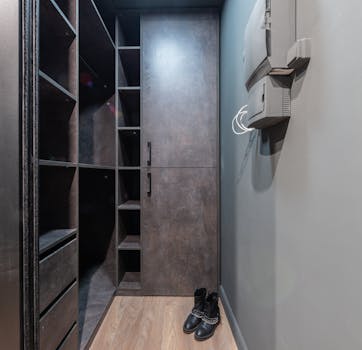
Minimalist Closet Organizer for Small Rooms
Transform your tiny closet into a serene oasis with these simple steps and smart storage solutions.

Simple Home Filing System for Paper Clutter Reduction
Get organized in 5 minutes a day with this simple filing system for paper clutter