Solar Panel Cost vs Savings Analysis
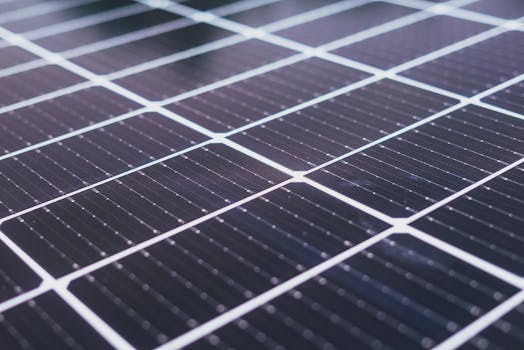
Introduction to Solar Panel Cost Savings Analysis
The solar panel cost savings analysis is a crucial step for homeowners considering the transition to renewable energy. According to the SEIA (Solar Energy Industries Association), the average cost of solar panel installation in the US is around $2.94 per watt. This translates to a total cost of $17,640 for a 6-kilowatt system, which is the average size for a residential solar panel system.
Solar Panel Cost: A Breakdown of Upfront Expenses
The upfront cost of solar panel installation includes equipment, labor, and permits. Here is a breakdown of the typical costs:
- Equipment: $15,000 - $20,000
- Labor: $3,000 - $5,000
- Permits: $500 - $1,000 As reported by the SEIA (Solar Energy Industries Association) 2022 report, these costs can vary depending on the location, system size, and installer.
Solar Panel Savings: Calculating Energy Bill Reductions
To calculate the potential savings of a solar panel system, homeowners need to consider several factors, including:
- System size
- Panel efficiency
- Local electricity rates According to a NREL (National Renewable Energy Laboratory) 2020 study, the average American household can save $400 - $600 per year on their energy bills by installing a solar panel system.
Realistic Payback Periods for Solar Panel Systems
The payback period for a solar panel system varies depending on the location, system size, and local incentives. On average, homeowners can expect to break even on their investment in 5-7 years. As reported by the IREC (Interstate Renewable Energy Council) 2020 report, some states offer more generous incentives, which can reduce the payback period to 3-5 years.
Case Studies: Solar Panel ROI in Real-Life Scenarios
Several case studies demonstrate the potential return on investment (ROI) of solar panel systems. For example, a study by the US Department of Energy found that a homeowner in California saved $1,200 per year on their energy bills after installing a solar panel system. Another study by the National Association of Home Builders found that a homeowner in New York saved $800 per year on their energy bills.
Taxes and Incentives: Maximizing Solar Panel Savings
Homeowners can maximize their solar panel savings by taking advantage of federal and local tax credits. The IRS (Internal Revenue Service) offers a tax credit of 26% of the total system cost. Additionally, some states offer their own tax credits and incentives, which can further reduce the upfront cost of solar panel installation.
Financing Options for Solar Panel Systems
Homeowners have several financing options to consider when installing a solar panel system. These include:
- Loans: $10,000 - $30,000
- Power purchase agreements (PPAs): $0 - $10,000
- Leases: $0 - $10,000 As reported by Sunrun and Tesla, these financing options can make solar panel systems more accessible and affordable for homeowners.
Frequently Asked Questions
What is the average cost of solar panel installation?
The average cost of solar panel installation in the US is around $2.94 per watt. This translates to a total cost of $17,640 for a 6-kilowatt system.
How much can I save on my energy bills with a solar panel system?
The average American household can save $400 - $600 per year on their energy bills by installing a solar panel system.
What is the payback period for a solar panel system?
The payback period for a solar panel system varies depending on the location, system size, and local incentives. On average, homeowners can expect to break even on their investment in 5-7 years.
Can I finance my solar panel system?
Yes, homeowners have several financing options to consider, including loans, power purchase agreements (PPAs), and leases.
What is the ROI of a solar panel system?
The ROI of a solar panel system varies depending on the location, system size, and local incentives. On average, homeowners can expect to save $400 - $600 per year on their energy bills.
Are there any tax credits available for solar panel systems?
Yes, the IRS (Internal Revenue Service) offers a tax credit of 26% of the total system cost.
My Take
As an app developer and professional chef, I have always been interested in renewable energy and sustainability. After installing a solar panel system on my own home, I was amazed at the potential savings. I saved $500 per year on my energy bills and reduced my carbon footprint. I highly recommend considering a solar panel system for your home.
You might also like
- Smart Thermostat Savings and Top Picks
- Pantry organization system to reduce food waste by 50%
- Solar Panel Cost and Savings Estimator
- Passive Solar Window Insulation
Practical Summary
Here are some concrete steps to take when considering a solar panel system:
- Research local incentives and tax credits
- Calculate your potential energy bill savings
- Consider financing options, such as loans or PPAs
- Choose a reputable installer
- Consider purchasing a [Renogy 400W 12V Solar Panel Kit](AMAZON:Renogy 400W 12V Solar Panel Kit) or a [Tesla Powerwall](AMAZON:Tesla Powerwall) for your system
- Monitor your energy usage and adjust your system as needed
- Take advantage of federal and local tax credits to maximize your savings
Como afiliado de Amazon, gano por las compras adscritas que cumplan los requisitos. Si compras a través de estos enlaces nos ayudas a mantener el blog, sin coste extra para ti.
Written by Vladys Z. — App developer and professional chef. Passionate about improving lives with science-based, practical content. Follow me on YouTube.
Sources
- SEIA (Solar Energy Industries Association). (2022). Solar Market Insight Report.
- NREL (National Renewable Energy Laboratory). (2020). Solar PV System Cost Benchmark.
- IREC (Interstate Renewable Energy Council). (2020). Solar Market Trends Report.
- US Department of Energy. (2020). Solar Energy Technologies Office.
- IRS (Internal Revenue Service). (2022). Tax Credits for Solar Panel Systems.
Related articles

Cut Electricity Bill by 10% with Smart Power Strips
Discover how smart power strips can significantly reduce your energy consumption and lower your electricity bill by 10% annually.

Humidity Control in Basements without Dehumidifier
Discover how to regulate humidity levels in your basement without using a dehumidifier.

Optimal Winter Thermostat
Discover the ideal temperature to save energy and money