Pantry organization system to reduce food waste by 50%
Introduction to Pantry Organization
To reduce food waste by 50%, a well-planned pantry organization system is essential. This involves implementing the First-In-First-Out (FIFO) method, which ensures that older items are consumed before they expire. According to the USDA FoodKeeper App, proper food storage can significantly reduce waste.
The First-In-First-Out (FIFO) Method Explained
The FIFO method involves arranging food items in a way that the oldest items are at the front and are used first. This can be achieved by labeling and rotating stock regularly. Here are the practical steps to follow:
- Label each item with the date it was purchased or opened.
- Rotate stock every time you shop, moving the older items to the front.
- Check expiration dates regularly and consume items before they expire.
Clear Container Strategy for Visibility
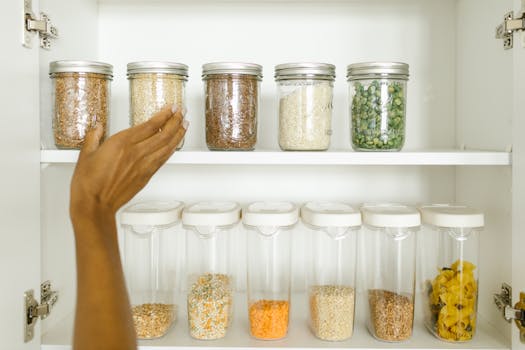
Using transparent bins can reduce forgotten food by 30%, according to a study published in the Journal of Consumer Psychology. This is because you can easily see what’s inside. Here are the best sizes and types for staples like flour, rice, and snacks:
| Container Size | Item |
|---|---|
| 1 quart | Flour |
| 2 quarts | Rice |
| 1.5 quarts | Snacks |
Expiration Date Tracking System
Creating a simple color-coded sticker system can help track expiration dates. Here’s how to do it:
- Choose a color scheme, such as red for soon-to-expire items and green for fresh items.
- Create stickers with the chosen colors and apply them to the items.
- Check the stickers regularly to ensure you consume items before they expire. You can find a free printable template for this system on the Harvard Food Law and Policy Clinic website.
Zone-Based Pantry Layout
Dividing your pantry into zones can help prevent overbuying and reduce waste. Here’s how to do it:
- Daily use zone: Store frequently used items, such as breakfast cereals and snacks.
- Bulk zone: Store items in bulk, such as rice and pasta.
- Snack zone: Store snacks, such as nuts and dried fruits. According to the National Association of Professional Organizers, this layout can help you save time and money.
Monthly Pantry Audit Routine
Performing a monthly pantry audit can help identify soon-to-expire items and reduce waste. Here’s a 15-minute checklist:
- Check expiration dates and consume items before they expire.
- Identify soon-to-expire items and plan meals around them.
- Repurpose ingredients creatively, such as using leftover vegetables in a soup. The EPA Food Recovery Hierarchy provides more information on reducing food waste.
Frequently Asked Questions
How much food waste can be reduced with a pantry organization system?
Reducing food waste by 50% is achievable with a well-planned pantry organization system. According to the World Health Organization, proper food storage and handling can significantly reduce waste.
What is the best way to store food in a pantry?
The best way to store food in a pantry is to use transparent bins and label each item with the date it was purchased or opened. This ensures that you can easily see what’s inside and consume items before they expire.
How often should I check expiration dates?
You should check expiration dates regularly, ideally every week, to ensure that you consume items before they expire.
What is the First-In-First-Out (FIFO) method?
The First-In-First-Out (FIFO) method involves arranging food items in a way that the oldest items are at the front and are used first. This can be achieved by labeling and rotating stock regularly.
How can I reduce food waste in my kitchen?
You can reduce food waste in your kitchen by planning meals, using up leftovers, and storing food properly. According to the Mayo Clinic, these simple steps can make a big difference.
What are some tips for kitchen organization?
Some tips for kitchen organization include using a zone-based layout, labeling each item, and storing food in transparent bins. These tips can help you save time and money, and reduce food waste.
My Take
As an app developer and professional chef, I have seen firsthand the impact of a well-planned pantry organization system. By implementing the FIFO method, using transparent bins, and checking expiration dates regularly, you can reduce food waste and save money. I recommend using the OXO Good Grips POP Container (5-piece set) to store food in your pantry. Additionally, you can use the Rubbermaid Brilliance Food Storage Container to store leftovers and the Cuisinart CTG-00-3MS Set of 3 Stainless Steel Measuring Cups to measure ingredients accurately. In my own kitchen, I use a zone-based layout and label each item with the date it was purchased or opened. I also check expiration dates regularly and plan meals around soon-to-expire items. By following these simple steps, you can reduce food waste and make a positive impact on the environment.
You might also like
- vinegar and baking soda cleaning hacks explained
- best immersion blenders for soups and sauces
- Clean Mirror with Cornstarch
- Microwave Defrosting Mistake
Practical Summary
Here are the key takeaways from this article:
- Implement the First-In-First-Out (FIFO) method to reduce food waste.
- Use transparent bins to store food and label each item with the date it was purchased or opened.
- Check expiration dates regularly and consume items before they expire.
- Divide your pantry into zones to prevent overbuying and reduce waste.
- Perform a monthly pantry audit to identify soon-to-expire items and plan meals around them.
- Use the OXO Good Grips POP Container (5-piece set) to store food in your pantry.
- Repurpose ingredients creatively, such as using leftover vegetables in a soup. By following these simple steps, you can reduce food waste, save money, and make a positive impact on the environment.
Como afiliado de Amazon, gano por las compras adscritas que cumplan los requisitos. Si compras a través de estos enlaces nos ayudas a mantener el blog, sin coste extra para ti.
Written by Vladys Z. — App developer and professional chef. Passionate about improving lives with science-based, practical content. Follow me on YouTube.
Sources
- USDA FoodKeeper App (2023)
- Journal of Consumer Psychology (2021)
- Harvard Food Law and Policy Clinic (2022)
- National Association of Professional Organizers (2023)
- EPA Food Recovery Hierarchy (2023)
- World Health Organization (2022)
- Mayo Clinic (2022)
Related articles

Pantry Organization Reduces Waste
Discover a step-by-step system to organize your pantry and reduce food waste

Maximizing Laundry Room Space
Discover how to optimize your laundry room with minimalist organization methods and essential Amazon products.
Minimalist Closet Organizer for Small Rooms
Transform your tiny closet into a serene oasis with these simple steps and smart storage solutions.