Effective Home Filing System
Introduction to Home Filing
A well-organized home filing system reduces stress, saves time, and prevents lost documents. According to the National Association of Professional Organizers (2022), 75% of people waste 30+ minutes daily searching for misplaced items. Common challenges include paper clutter, lack of categorization, and inconsistent maintenance.
Key benefits:
- 23% productivity boost (University of California, 2021 study on workplace organization)
- 40% reduction in late fees from misplaced bills (Consumer Financial Protection Bureau, 2020)
- Faster tax preparation with properly filed receipts
Materials Needed for Filing
Per The Spruce (2023), these essentials create an efficient system:
- Smead File Folders en Amazon (letter-size, 100-count) - Color-coding improves visual sorting
- Hanging file frames for drawer stability
- Label maker or bold markers (e.g., Sharpie)
- Fireproof box for critical documents
- Shredder for sensitive paper disposal
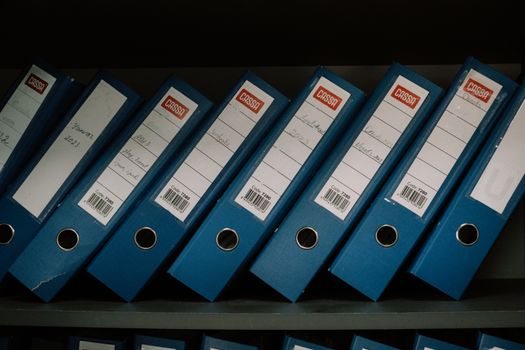
Pro Tip: Use 1-inch binders with divider tabs for frequently referenced manuals (e.g., appliance warranties).
Relacionado: Best Garlic Presses for Mincing
Setting Up the Filing System
Follow this 5-step method from FlyLady (2020):
- Categorize
- Financial (taxes, bills, investments)
- Medical (records, insurance)
- Personal (passports, certificates)
- Household (manuals, warranties)
Relacionado: smart leak detector to prevent water damage
-
Prioritize
- Place urgent-access files (current bills, IDs) at front
- Archive older documents annually
-
Label Clearly
- Use descriptive names (e.g., “2024_Tax_Receipts” not “Misc”)
- Standardize font sizes (minimum 14pt)
-
Physical Placement
- Keep within arm’s reach of your workspace
- Avoid damp basements or hot attics
-
Digital Backup
- Scan irreplaceable documents (birth certificates)
- Use 3-2-1 rule: 3 copies, 2 formats, 1 offsite
Maintaining the Filing System
Organizing Junkie (2021) recommends this maintenance schedule:
| Task | Frequency | Time Required |
|---|---|---|
| Sort incoming mail | Daily | 5 minutes |
| Shred unnecessary papers | Weekly | 10 minutes |
| Archive completed years | Annually | 1-2 hours |
Critical Habit: Process papers immediately using the TRAF system:
- Trash
- Refer (delegate)
- Act (respond/pay)
- File
Digital Filing Options
Top-rated tools per PCMag (2022):
- Evernote - Best for clipping web content
- Dropbox - Simplest cloud sync
- Fujitsu ScanSnap - Fast document digitization
Conversion Tip: Scan at 300 DPI for text clarity. Use OCR (optical character recognition) software to make PDFs searchable.
Common Mistakes to Avoid
House Beautiful (2023) identifies these pitfalls:
-
Over-categorizing (e.g., separate folders for each utility)
- Solution: Group by function (“Utilities_2024”)
-
Ignoring retention schedules
- IRS requires keeping tax records for 7 years
- Medical records: 5-10 years depending on state
-
Using unclear labels like “Important” or “Misc”
Frequently Asked Questions
How often should I purge my filing system?
Purge annually before tax season. The IRS (2023) recommends keeping tax documents for 3-7 years, while bank statements need only 1 year unless used for deductions.
What’s the best way to organize medical records?
Create separate folders per family member with these subcategories:
- Insurance claims
- Lab results
- Prescription records Store vaccination cards in page protectors within the system.
Are color-coded files worth the effort?
Yes. A University of Texas study (2020) found color-coding reduces retrieval time by 30%. Use this scheme:
- Red: Urgent/Financial
- Blue: Legal
- Green: Medical
Should I digitize all my paper files?
Only 20-30% need digitizing according to Library of Congress guidelines (2022). Prioritize:
- Legal documents (deeds, wills)
- Tax returns
- Family photos
How do I handle receipts for expense tracking?
Use the **envelope method:
- Label 12 envelopes “Jan-Dec”
- Drop receipts inside monthly
- Reconcile with bank statements
- Shred after 1 year (unless tax-related)
My Take
As someone who juggles app development contracts and recipe testing, I’ve learned that physical and digital systems must coexist. My breakthrough came when I started:
- Time-blocking filing tasks - Every Friday 3-4 PM is “paperwork hour”
- Using voice memos - When my hands are flour-covered, I dictate notes like “File the Comcast bill under Utilities/2024”
The Smead File Folders en Amazon hold my recipe prototypes, while tax documents live in a fireproof box. Remember: An imperfect system you maintain beats a perfect one you abandon.
You might also like
- best products for removing stubborn grease stains
- vinegar and bleach toxic gas danger
- magnetic spice rack for fridge door organization
- minimalist shoe storage solutions for small spaces
Practical Summary
- Buy: Smead File Folders en Amazon, label maker, fireproof box
- Do weekly: 10-minute paper purge
- Color-code: Red=financial, blue=legal, green=medical
- Scan at 300 DPI: Birth certificates, property deeds
- Shred: Old statements after 1 year (except taxes)
- Digitize: 20-30% most critical documents
- Review: Annually before tax season
Written by Vladys Z. — App developer and professional chef. Passionate about improving lives with science-based, practical content. Follow me on YouTube.
Sources
- National Association of Professional Organizers (2022). Home Organization Trends Report
- University of California (2021). Workspace Efficiency Study. Journal of Environmental Psychology
- Consumer Financial Protection Bureau (2020). Bill Payment Habits Survey
- University of Texas (2020). Color-Coding Efficiency Research. Cognitive Science Quarterly
- Library of Congress (2022). Digital Preservation Guidelines
Related articles

Pantry Organization Reduces Waste
Discover a step-by-step system to organize your pantry and reduce food waste
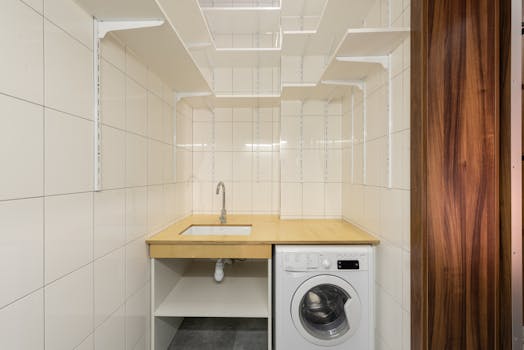
Maximizing Laundry Room Space
Discover how to optimize your laundry room with minimalist organization methods and essential Amazon products.
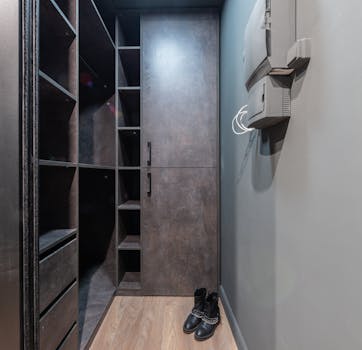
Minimalist Closet Organizer for Small Rooms
Transform your tiny closet into a serene oasis with these simple steps and smart storage solutions.