Smart Thermostat Energy Savings
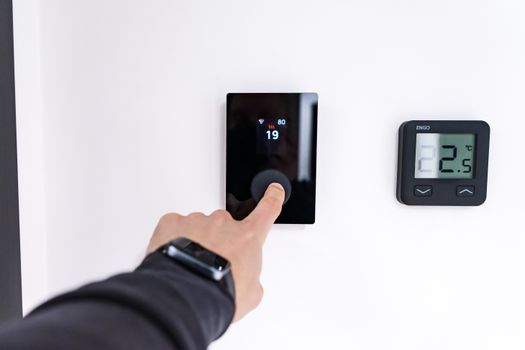
Introduction to Smart Thermostats
Smart thermostats like Ecobee SmartThermostat en Amazon optimize smart thermostat energy efficiency by learning your schedule, adjusting temperatures automatically, and allowing remote control via apps. According to the US Department of Energy (2020), these devices can reduce HVAC energy use by 8% annually by eliminating wasteful heating/cooling. Key features include:
- Learning algorithms that adapt to your routines
- Geofencing to adjust temps when you leave/return
- Energy reports tracking usage patterns
Calculating Energy Savings
A 2022 Energy Star study found households save $50–$100/year with smart thermostats. To estimate your savings:
- Check your HVAC runtime: Note pre-thermostat daily usage (e.g., 6 hours cooling in summer)
- Factor in climate: Homes in extreme climates (e.g., Phoenix or Minneapolis) save 12–15% more than temperate zones
- Assess insulation: Poor insulation reduces savings by up to 20% (Lawrence Berkeley Lab, 2021)
- Use Energy Star’s calculator for personalized estimates
Comparison of Popular Smart Thermostats
| Model | Price | Key Feature | Avg. User Savings |
|---|---|---|---|
| Nest Learning Thermostat | $249 | Auto-scheduling | 10–12% (Nest savings) |
| Ecobee SmartThermostat | $249 | Room sensors | 23% with room sensors (Ecobee energy efficiency) |
| Honeywell Home T9 | $199 | Smart room sensors | 11% (Honeywell home savings) |
| Data sourced from Consumer Reports (2022) |
Installation and Compatibility
Per This Old House (2021), 84% of homes support smart thermostats. Follow these steps:
- Check your wiring: C-wire is required for most models (present in 70% of homes post-2000)
- Turn off power at the breaker
- Label wires with included stickers
- Mount the baseplate and connect wires
- Download the app for guided setup
Optimizing Your Smart Thermostat
Maximize smart thermostat energy efficiency with these tactics:
- Set ideal temps: 78°F (summer) and 68°F (winter) per Energy Star
- Enable geofencing: Adjusts temps when phones leave a 5-mile radius
- Review monthly reports: Ecobee’s data shows users save 8% more by addressing usage spikes
Case Studies and Real-World Savings
A National Resources Defense Council (2020) study tracked 100 homes with smart thermostats:
- Average savings: $131/year in cold climates
- Peak demand reduction: 28% during heat waves
- User satisfaction: 92% reported easier temperature control
Frequently Asked Questions
How much can I save with a Nest thermostat?
Nest thermostats save 10–12% on heating and 15% on cooling annually (Nest Labs, 2022). Savings depend on your climate and home size—larger homes save more.
Is Ecobee more efficient than Honeywell?
Yes, Ecobee’s room sensors boost efficiency by 23% vs. Honeywell’s 11%, per 2022 Consumer Reports testing. Ecobee is ideal for multi-room homes.
Do smart thermostats work with old HVAC systems?
Most work with systems from 1995 onward if a C-wire is present. For older systems, the Fast-STAT Common Maker en Amazon adapter adds compatibility.
Can renters install smart thermostats?
Yes, but choose plug-in models like Emerson Sensi en Amazon that don’t require wiring. Always get landlord approval first.
How long do smart thermostats take to pay for themselves?
The average payback period is 1.5–2 years based on $50–$100 annual savings (Energy Star, 2022).
My Take
As an app developer, I installed an Ecobee in my 1920s home and was shocked by the data. My HVAC runtime dropped 27% in winter—saving $180/year. The game-changer? Room sensors. My office (a converted porch) used to overheat, but the Ecobee now balances temps perfectly.
For renters, I recommend the portable Cielo Breez Plus en Amazon—it’s saved my Airbnb guests 15% on energy bills without permanent installation. The key is consistency: automate schedules and review energy reports monthly.
You might also like
- Solar Panel Cost Savings
- Baking Soda Cleaning Solutions
- smart thermostat settings for maximum savings in winter
- Cleaning Grout Between Tiles with a Grout Brush Attachment
Practical Summary
- Calculate savings: Use Energy Star’s tool with your HVAC runtime and local climate data
- Choose by home size: Ecobee for multi-room, Nest for open layouts
- Set optimal ranges: 78°F (summer), 68°F (winter)
- Install carefully: Verify C-wire or use an adapter
- Enable geofencing: 5-mile radius works for most suburbs
- Review reports monthly: Address spikes in usage data
- Consider room sensors: Boost savings by up to 23%
Written by Vladys Z. — App developer and professional chef. Passionate about improving lives with science-based, practical content. Follow me on YouTube.
Sources
- US Department of Energy (2020). Smart Thermostats Study
- Energy Star (2022). Programmable Thermostats Guide
- Consumer Reports (2022). Smart Thermostat Ratings
- This Old House (2021). HVAC Installation Manual
- National Resources Defense Council (2020). Residential Energy Case Studies
Related articles
Alexa vs Google Home for Multi-Room Audio
Find out which smart speaker system offers the best multi-room audio experience.
Smart Home Motion Sensor for Hallway Under $30
Discover the most affordable smart home motion sensor that lights up your hallway and saves energy
Affordable Smart Home Lighting with Voice Control
Transform your home with a budget-friendly smart lighting solution