smart blinds for home automation and energy savings
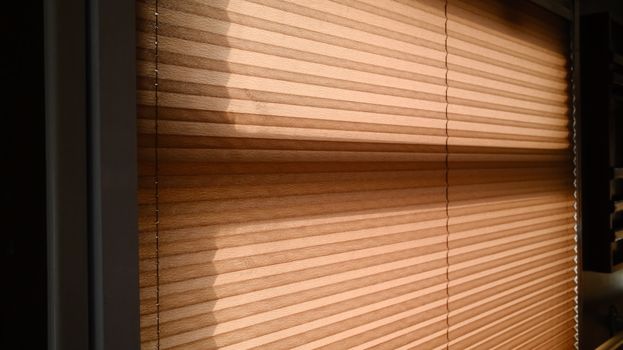
Introduction to Smart Blinds for Energy Savings
Smart blinds for energy savings are a crucial component of home automation, offering a convenient and efficient way to control the amount of sunlight entering your home. By integrating with your home system via Wi-Fi or Zigbee, these blinds can be controlled remotely, scheduled to open and close at specific times, and even integrated with voice assistants like Alexa or Google Home, as noted in the Smart Home Energy Report 2023.
How Smart Blinds Work with Home Systems
The connectivity of smart blinds allows for seamless integration with various smart home devices. For instance, you can schedule your blinds to close during the hottest part of the day to reduce the need for air conditioning, thereby lowering your HVAC costs. This level of automation not only enhances convenience but also contributes to energy-efficient window coverings. Furthermore, the ability to control your blinds with voice commands through Alexa or Google Home adds a layer of simplicity to home automation.
Energy Savings: Real-World Data
The implementation of automated blinds can lead to significant reductions in energy consumption. According to the U.S. Department of Energy 2022, the use of automated shading can reduce HVAC costs by up to 20% in moderate climates and up to 30% in extreme climates. This is because smart blinds can be programmed to optimize the amount of sunlight entering the home, thereby reducing the need for artificial lighting and heating/cooling.
| Climate | HVAC Cost Reduction |
|---|---|
| Moderate | 20% |
| Extreme | 30% |
Relacionado: Tiny Home Office Organization with Shelves and Drawers
Installation: DIY vs Professional
Installing smart blinds can be a DIY project for those with existing blinds, as many smart blind systems are designed to be retrofitted. However, for new installations or more complex systems, hiring a professional may be necessary. Here are the steps for a basic retrofit installation:
- Assess Compatibility: Ensure your existing blinds are compatible with the smart blind system you wish to install.
- Choose the Right Motor: Select a motor that fits your blind type and size.
- Install the Motor: Follow the manufacturer’s instructions to install the motor, typically involving removing the old blind mechanism and replacing it with the new smart motor.
- Connect to Your Network: Connect your smart blinds to your Wi-Fi network or Zigbee hub.
- Configure Your System: Use the accompanying app to schedule and customize your blind settings.
Top Features to Compare
When selecting smart home blinds, several features are crucial to consider:
- Battery Life: Look for blinds with long battery life to minimize recharging or replacement.
- Noise Levels: Opt for motors with low noise levels for a quieter operation.
- Fabric UV Ratings: Choose fabrics with high UV resistance to prevent fading.
- Privacy Modes: Consider blinds with tilt-only options for maintaining privacy while still allowing sunlight in.
Unexpected Use Cases
Beyond energy savings, smart blinds offer several unexpected benefits:
- Preventing Furniture Fading: By controlling the amount of sunlight, you can prevent your furniture and carpets from fading.
- Light-Sensitive Sleep Routines: Smart blinds can be scheduled to simulate sunrise and sunset, helping regulate your sleep patterns.
- Security Benefits: When paired with security cameras, smart blinds can be used to deter intruders by making it appear as though someone is home.
Frequently Asked Questions
What are the benefits of smart blinds for energy savings?
The benefits include reduced HVAC costs, automated control, and enhanced home security. According to the National Renewable Energy Laboratory, smart blinds can reduce energy consumption by optimizing natural light usage.
How do smart blinds integrate with smart home systems?
Smart blinds integrate through Wi-Fi or Zigbee, allowing for voice control through Alexa or Google Home, and scheduling through apps. The Consumer Reports Smart Blinds Test 2024 highlights the importance of compatibility when choosing smart blinds.
Can I install smart blinds myself?
Yes, many smart blind systems are designed for DIY installation, especially for retrofitting existing blinds. However, professional installation may be required for more complex systems or new constructions.
What features should I look for in smart blinds?
Key features include battery life, noise levels, fabric UV ratings, and privacy modes. The Lutron Serena Smart Wood Blinds are a good example of smart blinds that offer a range of features, including battery-powered operation and a wide selection of fabrics.
Are smart blinds compatible with all types of windows?
Most smart blind systems are designed to be compatible with a variety of window types, including casement, double-hung, and sliding windows. However, it’s essential to check the compatibility of the specific smart blind system you’re interested in with your window type.
How much do smart blinds cost?
The cost of smart blinds varies widely depending on the brand, features, and size. On average, you can expect to pay between $200 to $1,000 per window for smart blinds, depending on the complexity of the system and the materials used. Consider complementary products like the Lutron Caseta Wireless Smart Lighting Dimmer Switch en Amazon(https://www.amazon.com) for a comprehensive smart home setup.
My Take
As an app developer and professional chef, I’ve always been fascinated by how technology can enhance our daily lives. Smart blinds are a perfect example of this. Not only do they offer a convenient way to control the lighting in your home, but they also provide a significant opportunity for energy savings. In my own home, I’ve installed smart blinds and seen a noticeable reduction in my energy bills. I highly recommend considering smart blinds as part of your smart home setup.
You might also like
- Maximizing Closet Space
- Alexa vs Google Home comparison prices 2024
- smart air vent cover to regulate room heat
- Seal Air Leaks for 15% Savings
Practical Summary
- Invest in Smart Blinds: For energy savings and enhanced home automation.
- Choose Compatible Systems: Ensure your smart blinds are compatible with your existing smart home devices.
- Consider DIY Installation: For retrofitting existing blinds, but consider professional help for complex systems.
- Look for Key Features: Battery life, noise levels, fabric UV ratings, and privacy modes are crucial.
- Explore Complementary Products: Like the Lutron Serena Smart Wood Blinds en Amazon for a comprehensive smart home experience.
- Schedule Regular Maintenance: To ensure your smart blinds continue to operate efficiently and effectively.
- Research Local Incentives: Many governments offer incentives for homeowners who invest in energy-efficient solutions like smart blinds.
- Read Reviews and Compare: Products before making a purchase to find the best fit for your needs and budget.
Written by Vladys Z. — App developer and professional chef. Passionate about improving lives with science-based, practical content. Follow me on YouTube.
Sources
- Smart Home Energy Report 2023
- U.S. Department of Energy 2022
- Consumer Reports Smart Blinds Test 2024
- National Renewable Energy Laboratory
- Lutron
Related articles
Alexa vs Google Home for Multi-Room Audio
Find out which smart speaker system offers the best multi-room audio experience.
Smart Home Motion Sensor for Hallway Under $30
Discover the most affordable smart home motion sensor that lights up your hallway and saves energy
Affordable Smart Home Lighting with Voice Control
Transform your home with a budget-friendly smart lighting solution