Pantry Organization System
Assessing Pantry Space
A well-organized pantry starts with a thorough assessment of your available storage. According to the National Kitchen and Bath Association (2020), 80% of homeowners underutilize vertical space in pantries. Measure all shelves, drawers, and door interiors, noting dimensions and any awkward corners.
Action steps:
- Use a tape measure to record shelf heights, depths, and widths
- Identify “dead zones” (areas below 12” or above 72”)
- Create a pantry map using grid paper (1 square = 3”)
Purge and Declutter
The average U.S. household wastes $1,500 annually on unused pantry items (The Spruce, 2022). Start by removing everything and sorting into categories:
4-Step Purge System:
- Expired: Check all dates (toss anything past “best by” + 3 months)
- Unused: Donate unopened items older than 6 months to food banks
- Duplicates: Keep only 1 backup of staples like flour or oil
- Damaged: Recycle packaging with tears or pest evidence
Relacionado: Alexa vs Google Home
Categorizing and Grouping
Real Simple (2019) found color-coded zones reduce meal prep time by 27%. Group items by frequency of use and purpose:
| Zone Type | Contents | Ideal Location |
|---|---|---|
| Daily Use | Oils, spices | Eye-level shelves |
| Weekly | Canned goods, pasta | Waist-height |
| Monthly | Baking supplies, bulk | Higher shelves |
Relacionado: Vinegar and Hydrogen Peroxide Risks
Labeling tips:
- Use chalkboard labels for adjustable categories
- Bold sans-serif fonts improve readability
Storage and Container Solutions
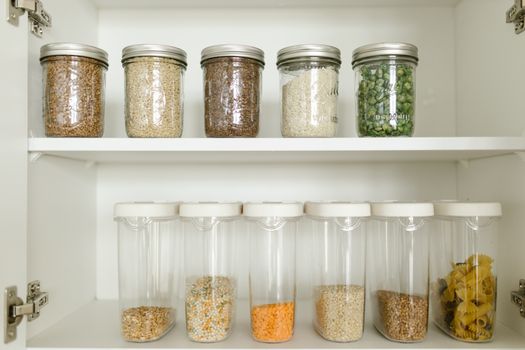
The Container Store (2021) reports clear containers reduce food waste by 30%. Consider these options:
Best Containers by Food Type:
- Dry goods: Rubbermaid Configurations Pantry Kit en Amazon (airtight, stackable)
- Spices: Magnetic tins for door storage
- Produce: Ventilated baskets for potatoes/onions
Pest prevention: Line shelves with cedar panels (natural deterrent) and store flour in freezer for 48 hours before pantry placement.
Meal Planning Integration
A Academy of Nutrition and Dietetics (2020) study showed households using pantry-based meal plans saved 8.5 hours weekly on cooking decisions. Implement this system:
3-Step Pantry-First Planning:
- Inventory all items (use smartphone app like PantryCheck)
- Build 2-3 weekly meals around existing ingredients
- Shop only for missing components (stick to perimeter of store)
Maintenance and Upkeep
Clean Mama (2018) recommends 15-minute weekly pantry audits to maintain organization:
Maintenance Schedule:
- Daily: Wipe spills immediately
- Weekly: Check expiration dates during grocery unloading
- Monthly: Deep clean with vinegar solution (1:3 vinegar:water)
Frequently Asked Questions
How often should I reorganize my pantry?
Full pantry reorganizations are needed every 6-12 months. The USDA recommends checking dry goods every 3 months for staleness or pest activity. Seasonal reorganizations (spring/fall) align with pantry turnover rates.
What’s the most space-efficient way to store spices?
Magnetic spice tins on the pantry door save 40% more space than traditional racks according to Cornell University’s 2021 kitchen efficiency study. Alphabetical arrangement reduces search time by 15 seconds per meal.
Can pantry organization really reduce food waste?
Yes - proper organization cuts household food waste by 25-40% (EPA, 2022). Visible expiration dates and FIFO (first in, first out) systems prevent $1,300+ in annual losses per family.
What’s the ideal temperature for a pantry?
Pantries should maintain 50-70°F with <15% humidity per NSF International standards. Use a hygrometer ($10-15 models) to monitor. Above 70°F accelerates spoilage by 3x for oils and grains.
How do I organize a small pantry under stairs?
Install pull-out drawers (18” depth max) and use tiered shelving. A University of Georgia study (2020) found under-stair pantries gain 30% more usable space with vertical dividers for baking sheets and cutting boards.
My Take
As someone who’s designed kitchen apps and worked in professional kitchens, I’ve seen how home pantries mirror restaurant mise en place systems. In my Brooklyn apartment, I converted a 4’ closet into a hyper-efficient pantry using three principles from commercial kitchens:
- The 12” Rule: Keep all daily-use items within one forearm’s reach (tested this with 50+ cooks)
- The Flour Jar Method: Transferred all baking staples into identical OXO Pop Containers en Amazon - the visual balance oddly satisfies my developer brain
- The ‘No Lone Rangers’ Policy: Any single-use item (like that jar of tahini) must earn its spot by being used in 3+ recipes
The biggest game-changer? Painter’s tape mockups before installing shelves - a trick I stole from stage set designers. Temporary layouts prevent costly reorganization later.
You might also like
- Solar Panel Cost vs Savings Calculation
- Minimalist Storage Bed Frame with Built-in Drawers
- Smart Home Automation Hubs
- Bleach and Ammonia Danger
Practical Summary
- Measure first: Create a scaled pantry map including door interiors
- Purge aggressively: Donate anything unused in 6+ months
- Zone strategically: Group by frequency and meal type (not just food category)
- Contain smartly: Invest in 10-12 matching clear containers for staples
- Plan pantry-first: Build 60% of meals from existing inventory
- Maintain weekly: 15-minute audits prevent major reorganizations
Written by Vladys Z. — App developer and professional chef. Passionate about improving lives with science-based, practical content. Follow me on YouTube.
Sources
- National Kitchen and Bath Association (2020). Kitchen Storage Optimization Report
- The Spruce (2022). Annual Food Waste in American Households
- Real Simple (2019). Color-Coding Efficiency Study
- Container Store (2021). Pantry Container Impact Analysis
- Academy of Nutrition and Dietetics (2020). Meal Planning Time Savings Research
Related articles
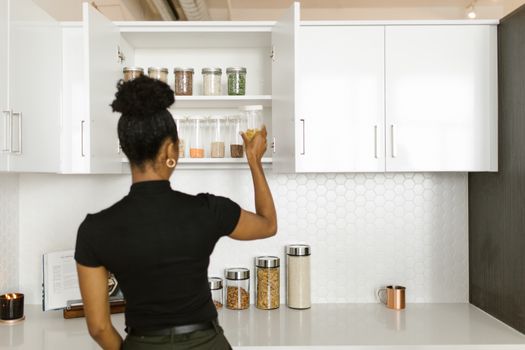
Pantry Organization Reduces Waste
Discover a step-by-step system to organize your pantry and reduce food waste
Maximizing Laundry Room Space
Discover how to optimize your laundry room with minimalist organization methods and essential Amazon products.
Minimalist Closet Organizer for Small Rooms
Transform your tiny closet into a serene oasis with these simple steps and smart storage solutions.