Optimal Thermostat Temperature
Introduction to Energy Saving
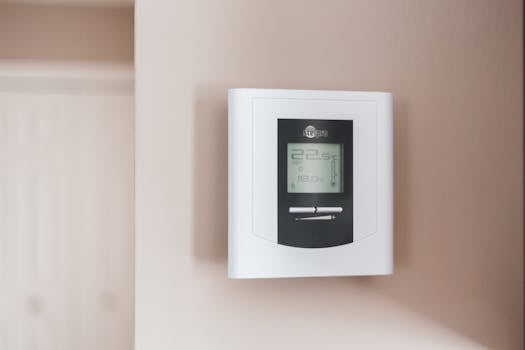
Setting your thermostat to the right energy saving temperature can reduce household energy consumption by 10-15% annually, according to the U.S. Department of Energy (2022). Heating and cooling account for nearly 50% of home energy use, making thermostat settings a critical factor in efficiency. The key is balancing comfort with cost savings by optimizing temperature ranges seasonally.
Ideal Winter Temperature
During winter, the optimal thermostat setting is 68-70°F (20-21°C) when awake and 60-62°F (15-16°C) when sleeping or away. The National Resources Defense Council (2020) found this range reduces heating costs by 5-10% per degree lowered over 8 hours. For every 1°F decrease, you save 1% on your heating bill.
Winter efficiency tips:
- Use programmable thermostats to auto-adjust temperatures overnight.
- Layer clothing or use blankets to compensate for lower settings.
- Seal windows and doors to prevent heat loss (drafts can increase energy use by 20%).
Relacionado: Clean Mirror with Cornstarch
Ideal Summer Temperature
In summer, set thermostats to 78-80°F (25-27°C) when home and 85°F (29°C) when away. The American Council for an Energy-Efficient Economy (2019) reports this can cut cooling costs by 6-8% per degree raised. Ceiling fans allow you to raise the thermostat by 4°F without sacrificing comfort.
Summer efficiency tips:
- Close blinds during peak sunlight hours to reduce AC load by 25%.
- Use the Ecobee SmartThermostat en Amazon to automate schedules based on occupancy.
- Maintain HVAC systems annually; dirty filters increase energy use by 15%.
Monthly Savings Potential
Adjusting thermostat settings can save $50-$100 monthly during extreme seasons. The U.S. Energy Information Administration (2022) estimates:
| Adjustment | Monthly Savings | Annual Savings |
|---|---|---|
| Winter: 68°F (day) / 62°F (night) | $45 | $540 |
| Summer: 78°F (day) / 85°F (away) | $60 | $720 |
| Smart thermostat optimization | +10% savings | +$100 |
Relacionado: Dangers of Mixing Hydrogen Peroxide and Baking Soda
Smart Thermostat Integration
Devices like the Ecobee SmartThermostat en Amazon use AI to learn schedules and adjust temperatures dynamically. Nest Labs (2020) found users save 10-12% on heating and 15% on cooling annually with these systems. Key features:
- Geofencing to adjust temps when you leave/return.
- Energy reports tracking usage patterns.
- Integration with Alexa/Google Home for voice control.
Implementation and Maintenance
Follow these steps for peak efficiency:
- Calibrate thermostats annually (a 2°F error increases energy use by 8%, per ASHRAE (2020)).
- Replace HVAC filters every 1-3 months; clogged filters reduce airflow by 20%.
- Install a Honeywell Home T9 Smart Thermostat en Amazon for room-specific zoning.
Frequently Asked Questions
What is the best temperature to save energy in winter?
The ideal energy saving temperature in winter is 68°F when awake and 62°F when asleep. Each degree lowered saves 1% on heating bills (NRDC, 2020).
Does 78°F really save energy in summer?
Yes. The ACEEE (2019) confirms setting your thermostat to 78°F reduces cooling costs by 6-8% per degree compared to lower settings.
How much can I save with a smart thermostat?
Smart thermostats like Ecobee cut 10-15% off annual HVAC costs by learning schedules and optimizing runtime (Nest Labs, 2020).
Should I turn off AC when away?
Set it to 85°F instead of turning it off. Cooling a hot house requires more energy than maintaining a higher baseline (DOE, 2022).
How often should I service my HVAC system?
Annual professional maintenance and quarterly filter changes improve efficiency by 15-20% (ASHRAE, 2020).
My Take
As someone who’s optimized energy use in both my app development studio and home kitchen, I’ve seen firsthand how small tweaks yield big savings. My Ecobee thermostat reduced my summer cooling bill by $65/month by learning my work schedule. I also use thermal curtains—a chef’s trick to keep kitchens cool without overworking AC.
For renters, portable AC units like the BLACK+DECKER BPACT14WT en Amazon offer efficiency without installation. The key is consistency: automate what you can, and track usage to identify waste.
You might also like
- Smart Thermostat Savings and Top Picks
- Pantry organization system to reduce food waste
- best garlic press for easy peeling and mincing
- Best Pastry Dough Rolling Tools
Practical Summary
- Set winter temps to 68°F (day)/62°F (night); summer to 78°F (day)/85°F (away).
- Install a smart thermostat for 10-15% annual savings.
- Change HVAC filters every 1-3 months.
- Use ceiling fans to raise AC settings by 4°F comfortably.
- Seal drafts to cut heating/cooling loss by 20%.
- Schedule annual HVAC maintenance to maintain peak efficiency.
Written by Vladys Z. — App developer and professional chef. Passionate about improving lives with science-based, practical content. Follow me on YouTube.
Sources
- U.S. Department of Energy (2022). Energy Saver Guide.
- National Resources Defense Council (2020). Home Heating Efficiency Report.
- American Council for an Energy-Efficient Economy (2019). Cooling Cost Analysis.
- U.S. Energy Information Administration (2022). Residential Energy Consumption Survey.
- Nest Labs (2020). Smart Thermostat Savings Study.
- ASHRAE (2020). HVAC System Performance Standards.
Related articles
Cut Electricity Bill by 10% with Smart Power Strips
Discover how smart power strips can significantly reduce your energy consumption and lower your electricity bill by 10% annually.

Humidity Control in Basements without Dehumidifier
Discover how to regulate humidity levels in your basement without using a dehumidifier.
Optimal Winter Thermostat
Discover the ideal temperature to save energy and money