Optimal Thermostat Settings
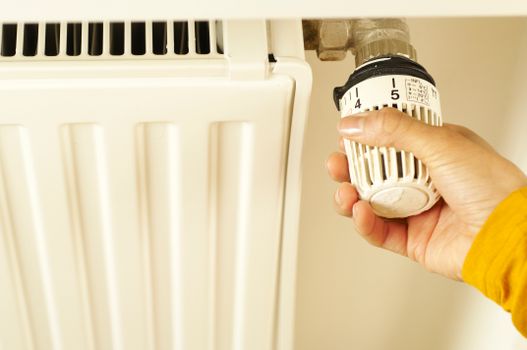
Introduction to Energy Saving
Optimal energy saving thermostat settings can reduce heating and cooling costs by up to 10% annually according to the U.S. Department of Energy (2022). The key is balancing comfort and efficiency: every 1°F adjustment for 8+ hours saves 1% on energy bills. For most households, this means setting winter temperatures lower and summer temperatures higher than typical defaults.
Smart temperature control goes beyond manual adjustments. Programmable thermostats like the Ecobee SmartThermostat en Amazon automate this process, adapting to schedules and weather patterns. Here’s how to optimize settings seasonally while maintaining comfort.
Winter Temperature Settings
The National Resources Defense Council (2020) recommends 68°F (20°C) when awake and 62°F (16.5°C) when sleeping for optimal winter savings. This balance prevents overworking heating systems while keeping pipes from freezing. Key data points:
- Lowering from 72°F to 68°F saves 5-10% on heating bills (NRDC)
- Each degree below 70°F reduces fuel use by 3% for gas furnaces (Energy Star)
Relacionado: Effective Carpet Stain Removers
Winter setup guide:
- Daytime (awake): 68°F
- Night/sleep: 62°F
- Away for 4+ hours: 60°F
Relacionado: Pantry Organization System to Reduce Food Waste
Summer Temperature Settings
For cooling, the American Council for an Energy-Efficient Economy (2019) advises 78°F (25.5°C) when home and 85°F (29.5°C) when away. This reduces AC strain during peak demand:
- Raising thermostat from 72°F to 78°F cuts cooling costs by 6-8% per degree (ACEEE)
- Using ceiling fans allows setting thermostats 4°F higher without discomfort (DOE)
Summer setup guide:
- Daytime (home): 78°F with fans
- Night/sleep: 82°F (if tolerable)
- Away for 2+ hours: 85°F
The Impact of Setback Temperatures
Lawrence Berkeley National Laboratory (2018) found that 8-hour setbacks of 7-10°F in winter/summer yield:
-
Season Setback Savings Winter 70°F → 62°F 10-12% Summer 78°F → 85°F 8-10%
Pro tip: Pair setbacks with a Honeywell Home Programmable Thermostat en Amazon for automated scheduling. Avoid drastic changes (>10°F) to prevent system overcompensation.
Smart Thermostats for Optimal Control
Per Consumer Reports (2022), smart thermostats like the Ecobee reduce energy use by 8-15% through:
- Learning algorithms that adapt to routines
- Geofencing to adjust temps when phones leave home
- Remote access via apps (e.g., adjusting while traveling)
Top-rated models:
- Ecobee SmartThermostat en Amazon (best for zoning)
- Nest Learning Thermostat (best for AI scheduling)
Calculating Monthly Savings
Follow this Energy.gov (2021) method to estimate savings:
- Find baseline usage: Check last year’s bills for kWh/therms
- Apply % savings:
- Winter: 1% per °F (8+ hours)
- Summer: 3% per °F (8+ hours)
- Example: Reducing summer cooling from 75°F to 78°F (3°F) for 12h/day = 9% monthly savings
Frequently Asked Questions
What is the most energy-efficient thermostat setting?
The U.S. DOE recommends 68°F in winter and 78°F in summer when home. These energy saving thermostat settings balance comfort and cost, reducing bills by 5-15% annually.
How much does 1 degree affect my energy bill?
Per Energy Star, 1°F adjustment for 8+ hours saves 1% in winter (heating) and 3% in summer (cooling). Over a season, this adds up to $50-$100 for average homes.
Are smart thermostats worth it?
Yes. A Consumer Reports (2022) analysis found smart thermostats pay for themselves in 2-3 years via 8-15% energy savings, plus rebates from many utilities.
Should I turn off AC when away?
No. Setting it 10°F warmer when away for 4+ hours (e.g., 85°F) saves more energy than turning it off, as restarting a hot home forces the AC to overwork (ACEEE, 2019).
What temperature prevents frozen pipes?
Keep homes above 55°F in winter during absences. The International Plumbing Code warns pipes freeze at 20°F, but insulation and airflow matter.
My Take
As someone who’s coded energy-monitoring apps and lived in both icy Toronto and humid Bangkok, I’ve tested these principles firsthand. My biggest lesson? Consistency beats perfection. A programmable thermostat ( Ecobee SmartThermostat en Amazon) saved me 12% annually without sacrificing comfort—far more than my sporadic manual adjustments ever did.
I also learned that small habits amplify savings. In winter, I wear thermal layers and use a heated mattress pad ( Biddeford Microplush Heated Blanket en Amazon) to tolerate 62°F nights comfortably. In summer, blackout curtains reduce AC load by 5%. Tiny tweaks, big returns.
You might also like
- Instant Pot Duo Crisp Review
- color-coded home filing system for quick retrieval
- Pantry Organization to Reduce Waste
- best over-the-door organizers for small bathrooms 2024
Practical Summary
- Winter: 68°F awake, 62°F asleep, 60°F away (saves 10%)
- Summer: 78°F with fans, 85°F away (saves 8%)
- Use smart thermostats for automated setbacks and learning
- Calculate savings: 1% per °F (winter), 3% per °F (summer)
- Pair with insulation, fans, and layered clothing
- Check for utility rebates on energy-efficient models
- Avoid drastic temperature swings (>10°F)
- Monitor usage via monthly bills to track progress
Written by Vladys Z. — App developer and professional chef. Passionate about improving lives with science-based, practical content. Follow me on YouTube.
Sources
- U.S. Department of Energy (2022). Thermostat Settings. Energy.gov
- National Resources Defense Council (2020). Home Heating Efficiency Report
- American Council for an Energy-Efficient Economy (2019). Cooling Your Home Efficiently
- Lawrence Berkeley National Laboratory (2018). Setback Temperature Study
- Consumer Reports (2022). Smart Thermostat Buying Guide
Related articles
Overloading Refrigerator Ice Makers Increases Electricity Bill
Did you know that overloading your refrigerator's ice maker can increase your electricity bill by up to 20%?
Microwave Defrosting Mistake
Are you using your microwave wrong and wasting energy? Learn how to defrost food efficiently
Monocrystalline Solar Panel Efficiency
Discover how monocrystalline solar panels can save you money